

RESIDENT NEWS
Stay informed with the latest news, updates, seasonal insights, rates, tips, resources, and more. Enjoy a better energy experience.
To see up to date information on current power outages in your area, click here .

When temperatures drop this low, your heating system works harder to keep your apartment comfortable. The type of heating system you have plays a major role in how much energy you use throughout the winter.
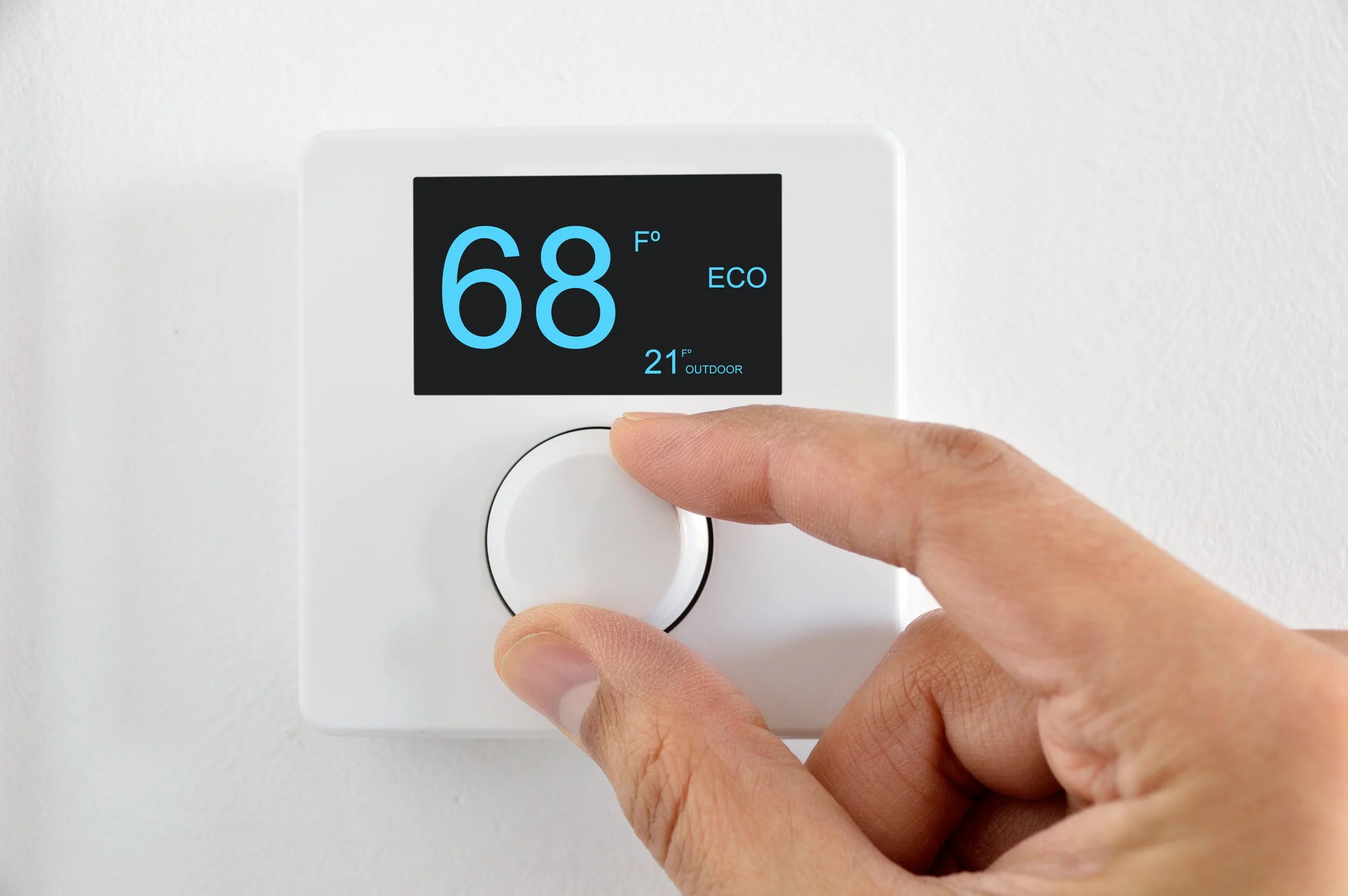
A simple rule of thumb: lowering your thermostat a few degrees can make a noticeable difference over time. The reason is straightforward. Heating demand is tied to the gap between indoor and outdoor temperatures. The bigger the gap, the harder your system has to work.
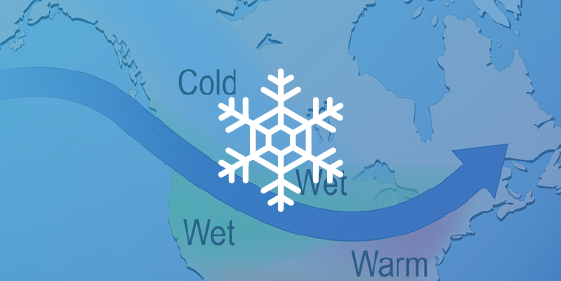
According to NOAA’s Climate Prediction Center, La Niña conditions are currently present and are favored to continue into the early winter months. The agency notes that the event is expected to remain weak, with a higher chance of transitioning back to neutral conditions by late winter.

Welcome to cooler weather! As the seasons change, it’s a good time to think about how your home stays warm — and how your heating system affects your electric bill.

After reading our latest resident newsletter, local reporter Katherine Simon of 10TV reached out to learn more. The newsletter broke down what typically uses the most energy in a multifamily unit and offered simple ways renters can reduce costs—especially as cooler weather approaches.
Katherine connected with the team at NEP to dig deeper into those fall energy-saving tips and share them with a wider audience.

As cooler temperatures start to roll in, it’s a great time to take a closer look at how electricity is used in your apartment or condo—and how small changes can lead to meaningful savings.

Your NEP bill may include different line items depending on the services your community has selected. But one thing is always consistent: the electricity usage recorded in your unit is billed based on actual meter readings, and NEP guarantees that those metered charges will never exceed what the local utility would have charged for the same usage.

According to the U.S. Department of Energy, 78°F is the recommended setting for staying cool while saving energy when you're home. If that feels a little warm to you, even raising your thermostat a few degrees from your usual setting can still lead to savings. Each degree can reduce cooling costs by about one percent over an eight-hour period.
Air conditioning can account for 40% to 60% of your unit’s total energy consumption during the hot summer months, so how you manage it really matters.

Utility billing can be complex, especially when it differs from what you’re used to. If you’re used to getting a bill directly from the local utility for electricity alone, NEP’s bundled approach can raise questions. This month, we’re addressing some of the most common questions and misconceptions we hear from residents about how billing works in NEP communities.
Extra! News of Note
-
PECO’s residential rates increased approximately 6% beginning June 1st, driven by rising capacity costs. This change will result in an approximate $8 monthly increase on an 800 kWh bill.
-
AEP’s residential rates increased 15.1% beginning June 1st. This change will result in an approximate $20 monthly increase on an 800 kWh bill.
-
Please visit our resource page for a list of organizations that may be able to assist.