Managing Your Holiday Energy Bills
Don’t Let Your Energy Use Steal the Spotlight This Holiday Season
The holidays bring warmth, celebration, and a little extra time at home. With festive lights, cooking, and visitors, it’s common to see energy and water usage rise this time of year. If you’re hoping to keep things merry while staying mindful of your consumption, these simple habits can help:
Optimize Your Heating Usage – Lowering your thermostat a few degrees when you’re asleep or away helps reduce how often your heating system runs. Even small adjustments can make a noticeable difference in overall usage. If you have a programmable or smart thermostat, set it to automatically lower the temperature during times you’re typically out of the home.
Energy Efficient Lighting – Holiday lighting with LED lights - which consume 80% less energy and last longer than traditional incandescent bulbs – can save you on your electric bill. Timers reduce usage by regularly turning off your lights. And consider focusing on fewer, high-impact decorations instead of excessively electrically lit displays.
Wise Appliance and Electronics Use – Consider unplugging electronics and appliances when they’re not in use, since many draw power even when turned off. A single gaming console left in instant-on mode can waste about $50 in electricity per year, while switching to an energy-saver mode can reduce that to less than a dollar.
A La Niña Winter?
La Niña is a naturally occurring global climate pattern in which the trade winds strengthen and colder water rises to the surface, creating cooler-than-average ocean temperatures in the eastern Pacific. This shift in ocean and atmospheric conditions can disrupt the jet stream, influence the path of storms, and increase precipitation in some parts of the United States.
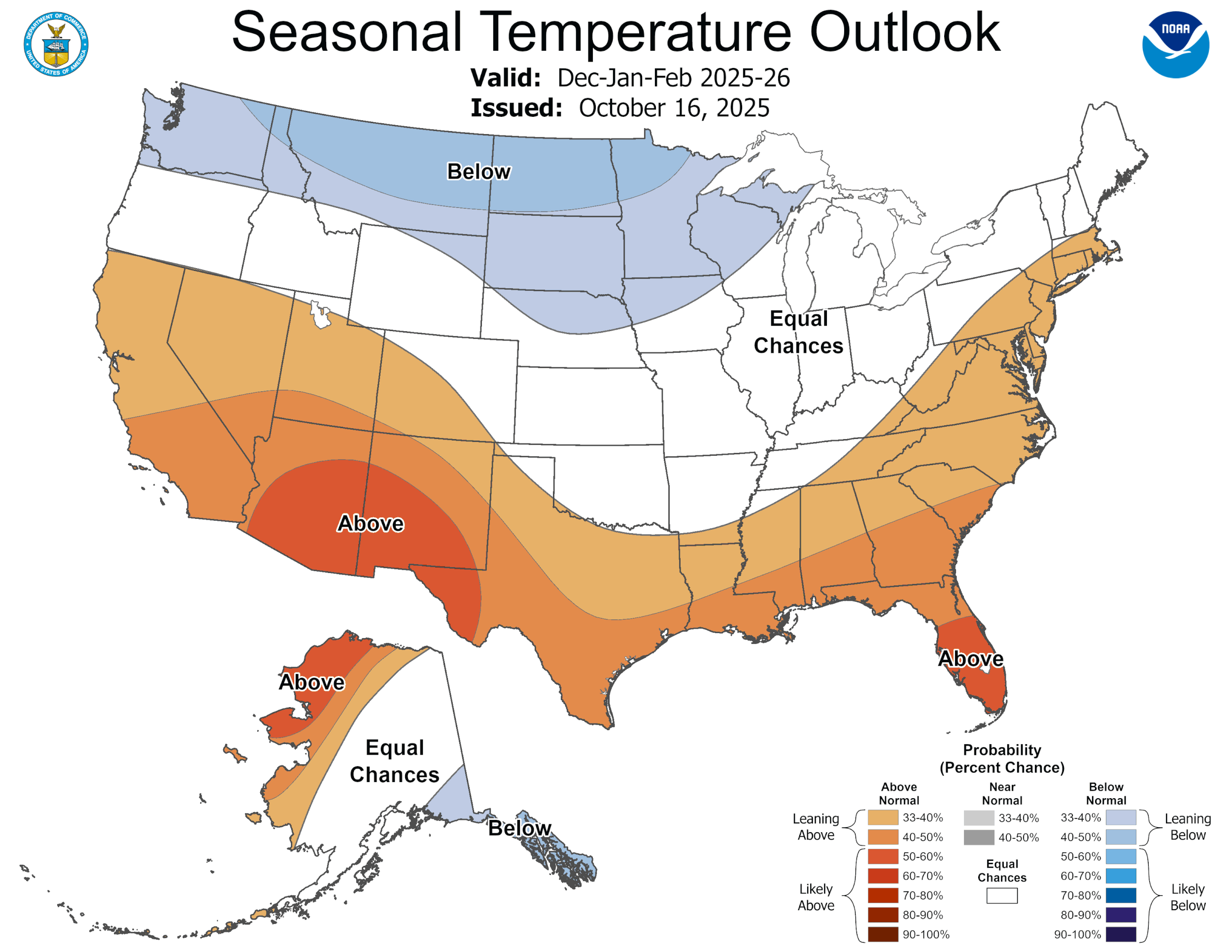
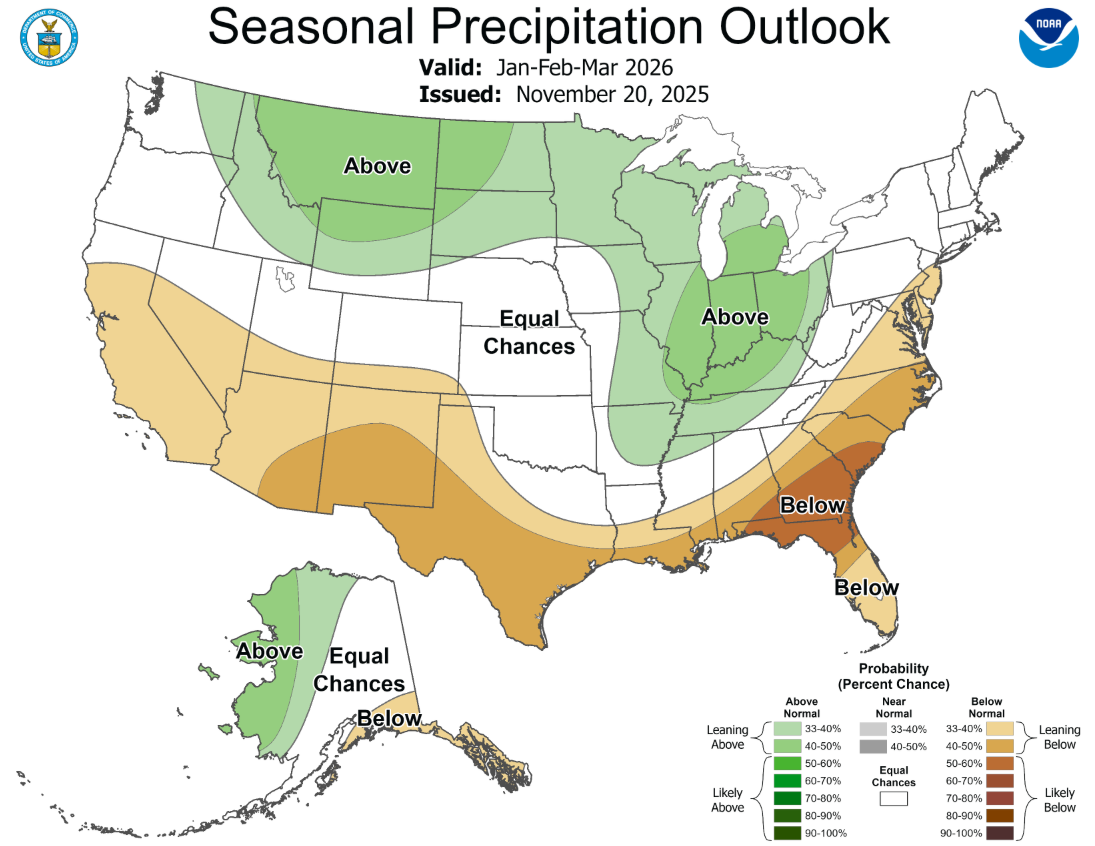
According to NOAA’s Climate Prediction Center, La Niña conditions are currently present and are favored to continue into the early winter months. The agency notes that the event is expected to remain weak, with a higher chance of transitioning back to neutral conditions by late winter. Even so, a La Niña pattern often brings a wetter-than-normal winter to regions like the Ohio Valley and parts of the northern U.S. Temperature impacts are less predictable during weak La Niña years, but periods of colder weather are still possible, especially compared to last year’s mild winter.
La Niña is not a foregone conclusion, but it is wise to be prepared. Here are some conservation tips to help you better manage your energy bills this winter. Additionally, those who rely on electricity for their heating system (as most multifamily residents do) should understand how your unit’s heat pump can affect your energy bills.